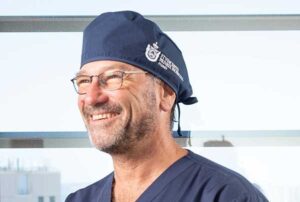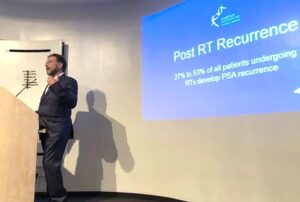
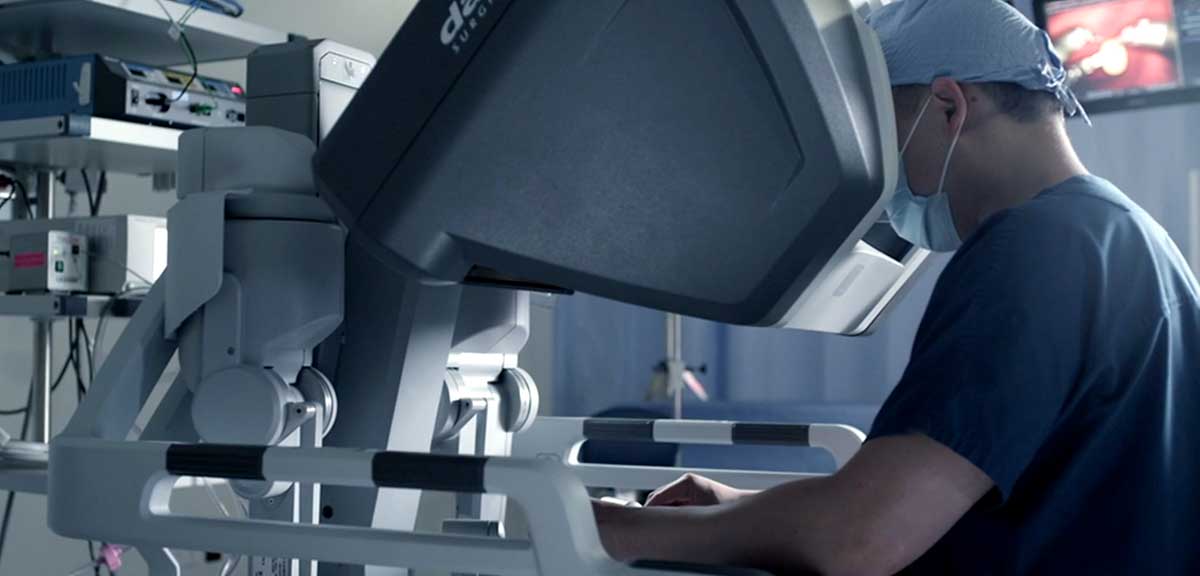
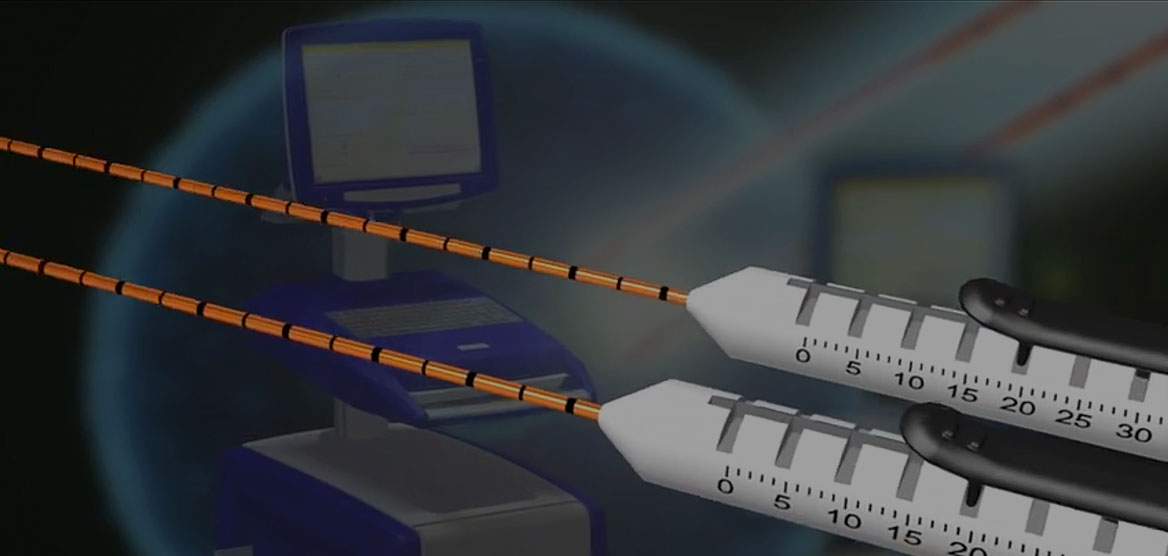
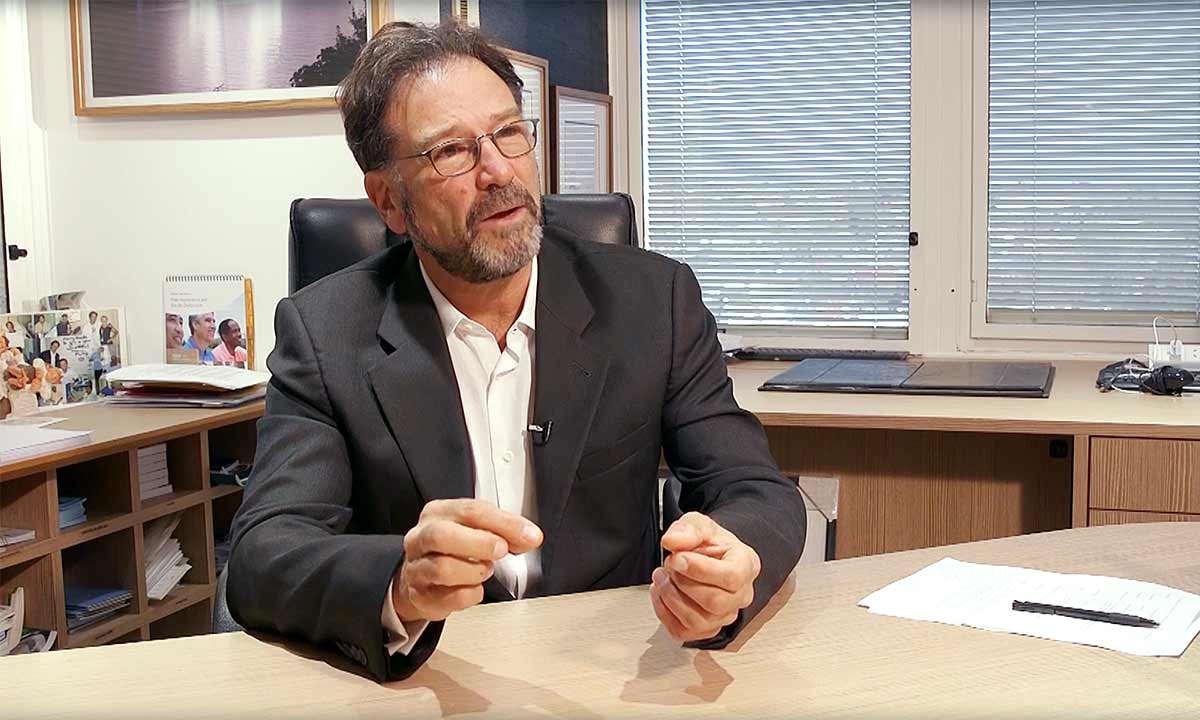
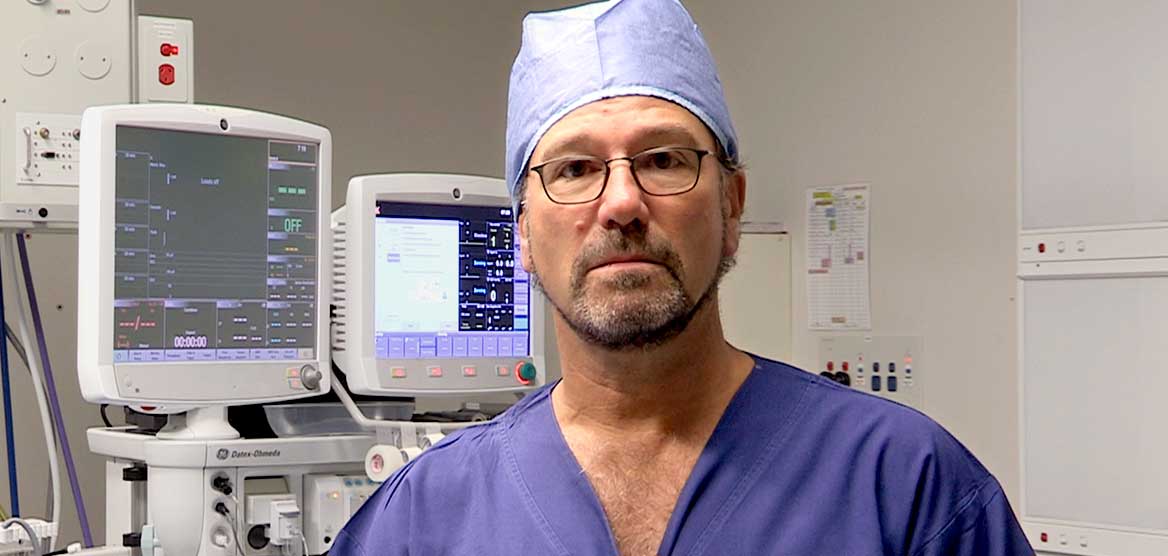
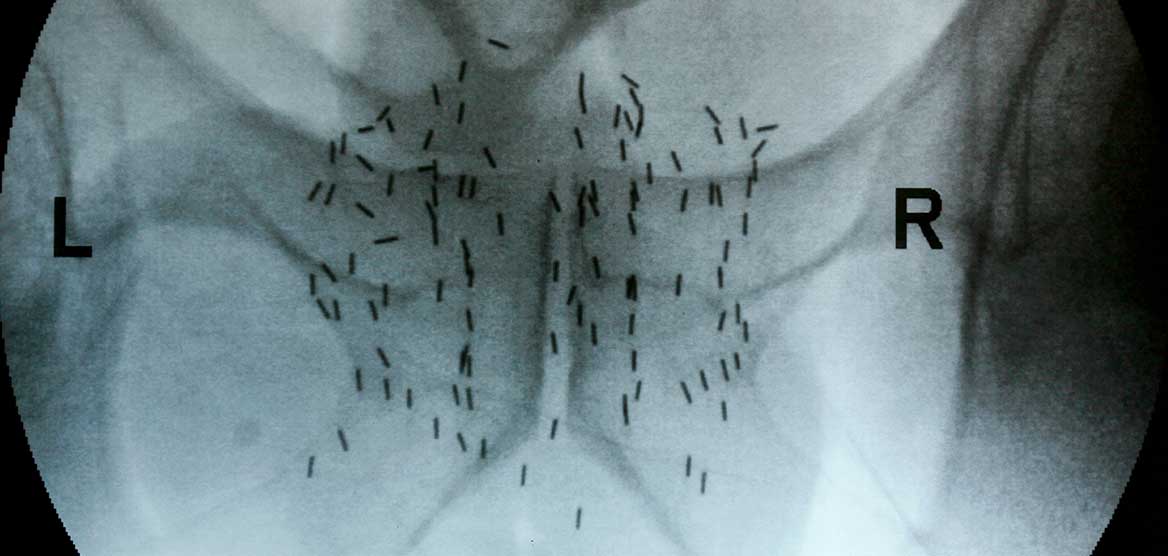
First and foremost I am a clinician and surgeon with a particular expertise and passion for the treatment of patients with prostate cancer and benign prostate conditions. I do this in three ways: firstly as your doctor or surgeon, secondly through the research I perform with my highly skilled team and thirdly by offering a comprehensive second opinion service. My practice has been dedicated to prostate cancer and prostate care exclusively for over 20 years. This has given me and my team the opportunity to focus, perfect and personalise the treatments and care we offer. Of course it is impossible to cover all areas of urology, yet by adopting a multi-discplinary approach I believe that we can at the very least understand and help our patients to choose the best path.
If you are suffering from prostate cancer or have reason to believe you might be, I would encourage you to read the resources I have prepared about the disease and its treatments. You are welcome to contact us or, intially, complete our comprehensive second opinion form